D-MEX DMXE 40mg Pellets
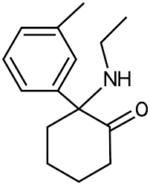
D-MEX DMXE 40mg Pellets is an arylcyclohexylamine, part of the dissociative anesthetic class structurally related to ketamine and phencyclidine (PCP). Phenethylamines Lab supplies this compound as a reference standard strictly for licensed laboratory, forensic, and analytical research — not for human consumption. The information below is intended to give researchers, forensic chemists, and analytical laboratories the context needed to evaluate this compound relative to its broader chemical class.
Chemical Classification
As a arylcyclohexylamine, D-MEX DMXE 40mg Pellets shares core structural features with other members of its chemical family, which is the basis for most comparative structure-activity relationship (SAR) work involving this compound. Understanding where a given analogue sits within its broader chemical class helps researchers contextualize binding-affinity data, metabolic pathways, and analytical fingerprinting against related reference standards.
Background & Discovery Context
A
Mechanism of Action
The defining pharmacological mechanism is NMDA receptor channel blockade, which distinguishes this class from other CNS-active research chemical categories and underlies its use in glutamatergic signaling research. This receptor or transporter-level activity is the primary reason researchers select D-MEX DMXE 40mg Pellets as a reference compound: it allows direct comparison against better-characterized analogues within the same pharmacological class, supporting more precise structure-activity conclusions.
Differences in NMDA receptor subunit selectivity and dissociation kinetics among arylcyclohexylamines are of ongoing interest in comparative anesthetic and neuropharmacology research.
Research Applications
In practice, reference-grade arylcyclohexylamines are used in NMDA receptor pharmacology research, anesthesia mechanism studies, and forensic toxicology to differentiate structural analogues of ketamine. Because D-MEX DMXE 40mg Pellets is well-defined analytically, it also serves as a useful positive control when validating new detection methods or extending existing reference libraries to cover emerging structural analogues.
Reference standards also support differentiation of closely related analogues in forensic samples, where retention-time overlap can complicate identification.
How It Compares to Related Analogues
R
Analytical Identification
HPLC purity analysis combined with mass spectrometric confirmation is standard for verifying identity within this structurally similar compound class. Laboratories working with D-MEX DMXE 40mg Pellets should maintain up-to-date reference spectra and retention-time data, particularly given how rapidly new structurally related analogues can appear in casework and research samples alike.
Handling, Storage & Quality Verification
These compounds are comparatively stable in salt form but should still be kept dry and light-protected for long-term reference use. Every batch of D-MEX DMXE 40mg Pellets supplied by Phenethylamines Lab is accompanied by a certificate of analysis (COA) confirming identity and purity, typically ≥98% by HPLC, so researchers can verify material integrity before use in any assay.
Legal & Regulatory Status
Legal status varies by specific analogue and jurisdiction; buyers must confirm current scheduling and hold appropriate research authorization before ordering. Phenethylamines Lab requires appropriate documentation from institutional or licensed researchers prior to fulfilling orders for controlled or scheduled reference materials, and it remains the buyer’s responsibility to confirm compliance with all applicable local, state, and national regulations.
Quality Control & Certificate of Analysis
Every batch shipped by Phenethylamines Lab undergoes independent quality control before release. Purity is quantified via high-performance liquid chromatography (HPLC), with identity cross-confirmed by mass spectrometry (GC-MS or LC-MS/MS) where structurally appropriate. Each certificate of analysis (COA) records the batch number, test date, purity percentage, and the analytical methods used, giving researchers a documented basis for comparing material across suppliers or over time. Batch-to-batch consistency is tracked internally, and researchers requiring historical COA data for a specific lot can request it directly from our support team. This level of documentation is particularly important in fields such as forensic toxicology and pharmacokinetic research, where an unverified or inconsistent reference standard can compromise the validity of downstream analytical results.
Ordering, Documentation & Compliance
Ordering from Phenethylamines Lab is structured around the compliance requirements relevant to each compound category. For material that is unscheduled or lightly regulated, standard checkout applies with age and jurisdiction verification. For scheduled or controlled reference standards, our team requests documentation confirming institutional affiliation, research licensing, or forensic laboratory accreditation before an order is processed; this step exists to keep procurement within the bounds of applicable law and to protect both the buyer and the supplier. Once an order is approved, packaging is selected based on the specific compound’s stability requirements — desiccated and light-protected for hygroscopic or photosensitive materials, refrigerated shipping for peptides and formulations that require a cold chain — and tracked shipping is provided for all orders so researchers can monitor delivery status from dispatch to arrival.
Research Considerations
A common point of confusion among researchers new to a given compound class is assuming that closely related structural analogues behave identically in every assay; in reality, even small substitution differences can meaningfully shift receptor affinity, metabolic stability, or detection behavior, which is precisely why maintaining a broad reference library matters. It is also worth independently verifying any compound’s current legal status directly against primary regulatory sources before ordering, since novel psychoactive substance legislation and controlled-substance schedules are updated more frequently than most secondary sources reflect. Clear internal labeling and record-keeping — tracking each reference standard by CAS number, lot number, and COA — helps avoid confusion in laboratories that work with multiple structurally similar compounds side by side.
Sourcing & Supply Chain
Phenethylamines Lab sources reference-grade material from vetted synthesis partners with documented quality-control processes, rather than aggregating unverified supply from multiple unknown origins. This approach reduces batch-to-batch variability and makes it easier to trace any quality issue back to a specific synthesis run if one were ever to arise. For compounds with more complex regulatory requirements, our sourcing partners maintain the necessary licensing and reporting infrastructure to keep the entire supply chain compliant, from initial synthesis through final shipment to a verified research buyer.
Data Interpretation Notes
When interpreting research or analytical data involving this compound, it is good practice to compare results against multiple structurally related reference standards rather than a single compound in isolation. This comparative approach helps distinguish effects or detection signals that are specific to the compound in question from those that are shared more broadly across its chemical class. Researchers publishing comparative pharmacology or forensic identification data are encouraged to clearly document the reference standard’s batch number and COA alongside their results, which supports reproducibility and allows other laboratories to verify findings against the same documented material.
Safety & Environmental Handling
As with any laboratory reference material, appropriate personal protective equipment — gloves, eye protection, and where indicated a properly fitted respirator or fume hood — should be used when handling this compound in powder or concentrated form. Waste disposal should follow your institution’s chemical safety protocols rather than standard trash disposal, since even research-quantity amounts of controlled or bioactive compounds typically require documented disposal through a licensed waste handler. Safety data sheets (SDS) are available on request for researchers who need them for institutional safety review or import documentation.
Frequently Asked Questions
What documentation ships with D-MEX DMXE 40mg Pellets? Every order includes a certificate of analysis confirming identity and purity via independent laboratory testing.
Is D-MEX DMXE 40mg Pellets intended for human use? No. This listing is a reference/analytical standard supplied strictly for licensed laboratory or forensic research.
What quantities are available? Available quantities are listed on the product page, ranging from small analytical-reference amounts to larger research quantities.
How is purity verified for each batch? Independent HPLC and, where applicable, GC-MS or LC-MS/MS analysis confirms both identity and purity before a batch is released for sale.
What packaging is used for shipping? Orders are shipped in sealed, tamper-evident packaging appropriate to the compound’s stability requirements, with discreet outer labeling.
How quickly are orders processed? Most orders are processed and dispatched within one to two business days of order and, where applicable, documentation verification.
Can I request additional analytical data beyond the standard COA? Yes, researchers with specific analytical requirements can contact our team to discuss additional testing or documentation options.
Summary
Overall, this arylcyclohexylamine’s NMDA receptor antagonism and structural relationship to ketamine make it a relevant reference standard for dissociative anesthetic and glutamatergic signaling research. Careful attention to analytical differentiation from closely related analogues remains important given the structural similarity within this compound class.
Related




Reviews
Clear filtersThere are no reviews yet.