6-APB Succinate
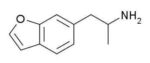
6-APB Succinate is a benzofuran derivative, a class of psychoactive research chemicals combining a fused benzene-furan ring system with an amine side chain. Phenethylamines Lab supplies this compound as a reference standard strictly for licensed laboratory, forensic, and analytical research — not for human consumption. The information below is intended to give researchers, forensic chemists, and analytical laboratories the context needed to evaluate this compound relative to its broader chemical class.
Chemical Classification
As a benzofuran, 6-APB Succinate shares core structural features with other members of its chemical family, which is the basis for most comparative structure-activity relationship (SAR) work involving this compound. Understanding where a given analogue sits within its broader chemical class helps researchers contextualize binding-affinity data, metabolic pathways, and analytical fingerprinting against related reference standards.
Background & Discovery Context
B
Mechanism of Action
The mechanism of interest centers on monoaminergic transporter and receptor engagement, with the benzofuran ring system distinguishing this class’s pharmacokinetic profile from simple phenethylamines. This receptor or transporter-level activity is the primary reason researchers select 6-APB Succinate as a reference compound: it allows direct comparison against better-characterized analogues within the same pharmacological class, supporting more precise structure-activity conclusions.
The degree to which ring fusion alters metabolic half-life relative to simpler phenethylamine analogues is an active area of comparative pharmacokinetic research.
Research Applications
In practice, this class is referenced in structure-activity relationship studies examining how ring-fusion modifications affect monoaminergic receptor and transporter pharmacology. Because 6-APB Succinate is well-defined analytically, it also serves as a useful positive control when validating new detection methods or extending existing reference libraries to cover emerging structural analogues.
Reference material also supports differentiation of benzofuran analogues from structurally similar phenethylamines in forensic casework.
How It Compares to Related Analogues
C
Analytical Identification
GC-MS and LC-MS/MS remain standard for identification, with the fused ring system producing distinctive fragmentation patterns useful for structural confirmation. Laboratories working with 6-APB Succinate should maintain up-to-date reference spectra and retention-time data, particularly given how rapidly new structurally related analogues can appear in casework and research samples alike.
Handling, Storage & Quality Verification
Cool, dry, airtight storage is recommended to preserve purity and prevent degradation over time. Every batch of 6-APB Succinate supplied by Phenethylamines Lab is accompanied by a certificate of analysis (COA) confirming identity and purity, typically ≥98% by HPLC, so researchers can verify material integrity before use in any assay.
Legal & Regulatory Status
Buyers must confirm current legal status in their jurisdiction, as regulatory classification of this class is subject to frequent updates. Phenethylamines Lab requires appropriate documentation from institutional or licensed researchers prior to fulfilling orders for controlled or scheduled reference materials, and it remains the buyer’s responsibility to confirm compliance with all applicable local, state, and national regulations.
Quality Control & Certificate of Analysis
Every batch shipped by Phenethylamines Lab undergoes independent quality control before release. Purity is quantified via high-performance liquid chromatography (HPLC), with identity cross-confirmed by mass spectrometry (GC-MS or LC-MS/MS) where structurally appropriate. Each certificate of analysis (COA) records the batch number, test date, purity percentage, and the analytical methods used, giving researchers a documented basis for comparing material across suppliers or over time. Batch-to-batch consistency is tracked internally, and researchers requiring historical COA data for a specific lot can request it directly from our support team. This level of documentation is particularly important in fields such as forensic toxicology and pharmacokinetic research, where an unverified or inconsistent reference standard can compromise the validity of downstream analytical results.
Ordering, Documentation & Compliance
Ordering from Phenethylamines Lab is structured around the compliance requirements relevant to each compound category. For material that is unscheduled or lightly regulated, standard checkout applies with age and jurisdiction verification. For scheduled or controlled reference standards, our team requests documentation confirming institutional affiliation, research licensing, or forensic laboratory accreditation before an order is processed; this step exists to keep procurement within the bounds of applicable law and to protect both the buyer and the supplier. Once an order is approved, packaging is selected based on the specific compound’s stability requirements — desiccated and light-protected for hygroscopic or photosensitive materials, refrigerated shipping for peptides and formulations that require a cold chain — and tracked shipping is provided for all orders so researchers can monitor delivery status from dispatch to arrival.
Research Considerations
Researchers new to sourcing reference-grade chemicals sometimes assume that all vendors offering a given compound provide materially equivalent products; in practice, purity, documentation quality, and batch consistency vary significantly across the market. Independently verifying a certificate of analysis — rather than accepting stated purity at face value — remains good laboratory practice, particularly for compounds used in quantitative assays where even small purity deviations can skew results. It is also worth cross-referencing a compound’s current legal status against primary regulatory sources (such as national drug scheduling databases) rather than relying solely on vendor-provided information, since scheduling can change with little public notice. Finally, researchers working with structurally similar analogues should maintain clear internal records distinguishing each compound by CAS number or lot-specific identifiers, since visually or nominally similar names can otherwise lead to sample mix-ups in busy laboratory environments.
Sourcing & Supply Chain
Phenethylamines Lab sources reference-grade material from vetted synthesis partners with documented quality-control processes, rather than aggregating unverified supply from multiple unknown origins. This approach reduces batch-to-batch variability and makes it easier to trace any quality issue back to a specific synthesis run if one were ever to arise. For compounds with more complex regulatory requirements, our sourcing partners maintain the necessary licensing and reporting infrastructure to keep the entire supply chain compliant, from initial synthesis through final shipment to a verified research buyer.
Data Interpretation Notes
When interpreting research or analytical data involving this compound, it is good practice to compare results against multiple structurally related reference standards rather than a single compound in isolation. This comparative approach helps distinguish effects or detection signals that are specific to the compound in question from those that are shared more broadly across its chemical class. Researchers publishing comparative pharmacology or forensic identification data are encouraged to clearly document the reference standard’s batch number and COA alongside their results, which supports reproducibility and allows other laboratories to verify findings against the same documented material.
Safety & Environmental Handling
Standard laboratory safety precautions apply when handling this compound: use gloves and eye protection at minimum, work in a fume hood when handling powder forms to avoid inhalation exposure, and dispose of any waste material through your institution’s approved chemical disposal channels rather than general waste. A safety data sheet (SDS) can be provided on request to support institutional safety reviews, import/export documentation, or internal risk assessments.
Frequently Asked Questions
What documentation ships with 6-APB Succinate? Every order includes a certificate of analysis confirming identity and purity via independent laboratory testing.
Is 6-APB Succinate intended for human use? No. This listing is a reference/analytical standard supplied strictly for licensed laboratory or forensic research.
What quantities are available? Available quantities are listed on the product page, ranging from small analytical-reference amounts to larger research quantities.
How is purity verified for each batch? Independent HPLC and, where applicable, GC-MS or LC-MS/MS analysis confirms both identity and purity before a batch is released for sale.
What packaging is used for shipping? Orders are shipped in sealed, tamper-evident packaging appropriate to the compound’s stability requirements, with discreet outer labeling.
How quickly are orders processed? Most orders are processed and dispatched within one to two business days of order and, where applicable, documentation verification.
Can I request additional analytical data beyond the standard COA? Yes, researchers with specific analytical requirements can contact our team to discuss additional testing or documentation options.
Summary
In summary, this benzofuran’s structural relationship to phenethylamine-type compounds and its relevance to novel psychoactive substance research make it a useful reference standard for both forensic and academic pharmacology work. As with other recently emerged analogues, keeping analytical reference data current is essential for accurate identification.
Related




Reviews
Clear filtersThere are no reviews yet.